Posts

Post-traumatic stress disorder (PTSD)

Image
Post-traumatic stress disorder (PTSD) is a mental health condition that's triggered by a terrifying event — either experiencing it or witnessing it. Symptoms may include flashbacks, nightmares and severe anxiety, as well as uncontrollable thoughts about the event. Most people who go through traumatic events may have temporary difficulty adjusting and coping, but with time and good self-care, they usually get better. If the symptoms get worse, last for months or even years, and interfere with your day-to-day functioning, you may have PTSD. Getting effective treatment after PTSD symptoms develop can be critical to reduce symptoms and improve function. Symptoms Post-traumatic stress disorder symptoms may start within one month of a traumatic event, but sometimes symptoms may not appear until years after the event. These symptoms cause significant problems in social or work situations and in relationships. They can also interfere with your ability to go about your norma...
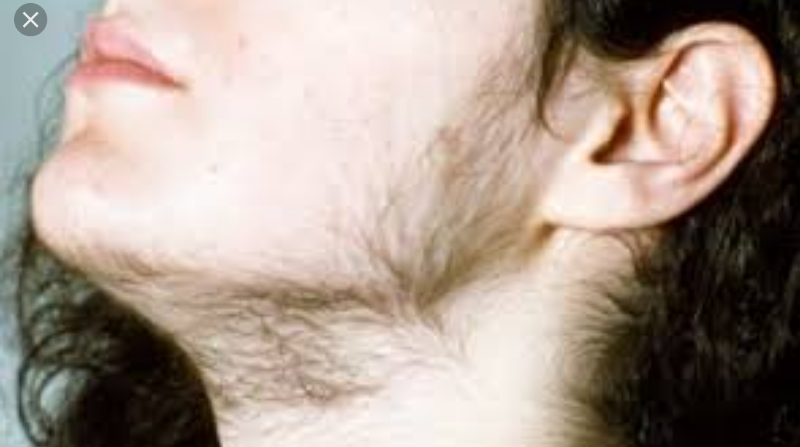
Hirsutism

Image
Hirsutism (HUR-soot-iz-um) is a condition of unwanted, male-pattern hair growth in women. Hirsutism results in excessive amounts of dark, course hair on body areas where men typically grow hair — face, chest and back. The amount of body hair you have is largely determined by your genetic makeup. There's a wide range of normal hair distribution, thickness and color due to differences in heredity. However, hirsutism is a medical condition that can arise from excess male hormones called androgens, primarily testosterone. It can also be due to a family trait. Symptoms Hirsutism is stiff and dark body hair, appearing on the body where women don't commonly have hair — primarily the face, chest and back. What's considered excessive can vary depending on ethnicity and culture. When excessively high androgen levels cause hirsutism, other signs might develop over time, a process called virilization. Signs of virilization might include: Deepening voice Balding Acne De...

Premature birth

Image
A premature birth is a birth that takes place more than three weeks before the baby's estimated due date. In other words, a premature birth is one that occurs before the start of the 37th week of pregnancy. Premature babies, especially those born very early, often have complicated medical problems. Typically, complications of prematurity vary. But the earlier your baby is born, the higher the risk of complications. Depending on how early a baby is born, he or she may be: Late preterm,  born between 34 and 36 completed weeks of pregnancy Moderately preterm,  born between 32 and 34 weeks of pregnancy Very preterm,  born at less than 32 weeks of pregnancy Extremely preterm,  born at or before 25 weeks of pregnancy Most premature births occur in the late preterm stage. Symptoms Your baby may have very mild symptoms of premature birth, or may have more-obvious complications. Some signs of prematurity include the following: Small size, with a ...

Thrombophlebitis

Image
          Symptoms Superficial thrombophlebitis signs and symptoms include: Warmth, tenderness and pain in the affected area Redness and swelling Deep vein thrombosis signs and symptoms include: Pain Swelling Causes The cause of thrombophlebitis is a blood clot, which can form in your blood as a result of: An injury to a vein An inherited blood-clotting disorder Being immobile for long periods, such as during an injury or a hospital stay Risk factors Your risk of thrombophlebitis increases if you: Are inactive for a prolonged period, either because you're confined to bed or are traveling in a car or plane for a long period Have varicose veins, which are a common cause of superficial thrombophlebitis Have a pacemaker or have a thin, flexible tube (catheter) in a central vein, for treatment of a medical condition, which may irritate the blood vessel wall and decrease blood flow Are pregnant or have just given birth Use birt...

Pseudomembranous colitis

Image
Pseudomembranous (SOO-doe-mem-bruh-nus) colitis, also called antibiotic-associated colitis or C. difficile colitis, is inflammation of the colon associated with an overgrowth of the bacterium Clostridium difficile (C. diff). This overgrowth of C. difficile is most often related to recent antibiotic use. Symptoms Signs and symptoms of pseudomembranous colitis may include: Diarrhea that can be watery or even bloody Abdominal cramps, pain or tenderness Fever Pus or mucus in your stool Nausea Dehydration Causes Usually, your body keeps the many bacteria in your colon in a naturally healthy balance. However, antibiotics and other medications can upset this balance. Pseudomembranous colitis occurs when certain bacteria — usually C. difficile — rapidly outgrow other bacteria that normally keep them in check. Certain toxins produced by C. difficile, which are usually present in only tiny amounts, rise to levels high enough to damage the colon. While almost any antibiotic...

Depression (major depressive disorder)

Image
Symptoms Although depression may occur only once during your life, people typically have multiple episodes. During these episodes, symptoms occur most of the day, nearly every day and may include: Feelings of sadness, tearfulness, emptiness or hopelessness Angry outbursts, irritability or frustration, even over small matters Loss of interest or pleasure in most or all normal activities, such as sex, hobbies or sports Sleep disturbances, including insomnia or sleeping too much Tiredness and lack of energy, so even small tasks take extra effort Reduced appetite and weight loss or increased cravings for food and weight gain Anxiety, agitation or restlessness Slowed thinking, speaking or body movements Feelings of worthlessness or guilt, fixating on past failures or self-blame Trouble thinking, concentrating, making decisions and remembering things Frequent or recurrent thoughts of death, suicidal thoughts, suicide attempts or suicide Unexplained physical problems, such as...

Horizontal Mattress Suture

Image
. Indications High tension wound support Pull wound edges together over significant distance Holding  Suture  (anchor wound edges together) Holds fragile or thin skin together Using 6-0  Suture  at digit web space or  Eyelid Hemostatic effect (e.g. scalp) III. Contraindications: Relative Areas at risk for scarring (e.g. face) IV. Advantages Optimizes wound edge eversion Increased closure strength (distributes tension) Spreads tension along wound edge V. Technique Background Use non- Absorbable Suture Four landmark sites (2 on each side of the wound) Points form a rectangle across lesion Each point is 4-8 mm from wound edge Two points parallel to lesion on right (east) side Point 1 at southeast corner of  Laceration Point 4 at northeast corner (2-4 mm north of 1) Two points parallel to lesion on left (west) side Point 2 at southwest corner of  Laceration Point 3 at northwest corner (2-4 mm north...