Posts

Anorexia-nervosa

Image
Anorexia (an-o-REK-see-uh) nervosa — often simply called anorexia — is an eating disorder characterized by an abnormally low body weight, an intense fear of gaining weight and a distorted perception of weight. People with anorexia place a high value on controlling their weight and shape, using extreme efforts that tend to significantly interfere with their lives. To prevent weight gain or to continue losing weight, people with anorexia usually severely restrict the amount of food they eat. They may control calorie intake by vomiting after eating or by misusing laxatives, diet aids, diuretics or enemas. They may also try to lose weight by exercising excessively. No matter how much weight is lost, the person continues to fear weight gain. Anorexia isn't really about food. It's an extremely unhealthy and sometimes life-threatening way to try to cope with emotional problems. When you have anorexia, you often equate thinness with self-worth. Anorexia, like other eating diso...

Amenorrhea

Image
Amenorrhea (uh-men-o-REE-uh) is the absence of menstruation — one or more missed menstrual periods. Women who have missed at least three menstrual periods in a row have amenorrhea, as do girls who haven't begun menstruation by age 15. The most common cause of amenorrhea is pregnancy. Other causes of amenorrhea include problems with the reproductive organs or with the glands that help regulate hormone levels. Treatment of the underlying condition often resolves amenorrhea. Symptoms The main sign of amenorrhea is the absence of menstrual periods. Depending on the cause of amenorrhea, you might experience other signs or symptoms along with the absence of periods, such as: Milky nipple discharge Hair loss Headache Vision changes Excess facial hair Pelvic pain Acne Causes Amenorrhea can occur for a variety of reasons. Some are normal during the course of a woman's life, while others may be a side effect of medication or a sign of a medical problem. ...

Tinea versicolor

Image
Tinea versicolor is a common fungal infection of the skin. The fungus interferes with the normal pigmentation of the skin, resulting in small, discolored patches. These patches may be lighter or darker in color than the surrounding skin and most commonly affect the trunk and shoulders. Tinea versicolor (TIN-ee-uh vur-si-KUL-ur), occurs most frequently in teens and young adults. Sun exposure may make tinea versicolor more apparent. Tinea versicolor, which is also called pityriasis versicolor, is not painful or contagious. But it can lead to emotional distress or self-consciousness. Antifungal creams, lotions or shampoos can help treat tinea versicolor. But even after successful treatment, skin color may remain uneven for several weeks or months. Tinea versicolor often recurs, especially in warm, humid weather. Symptoms Tinea versicolor signs and symptoms include: Patches of skin discoloration, usually on the back, chest, neck and upper arms, which may appear lighter or...

Philophobia (fear of love)

Image
Are you afraid to really fall in love? Do you have a fear that you constantly think about the same person, although you do not want to do it at all? All this points to phylophobia - pathological fear manifested in an obsessive state, when a person completely refuses to believe that someone can fall in love, does not want to lose his inner freedom. As a rule, phylophobes are dreamers who really need love, because in real life it does not exist. The problem is that the phylophobe will never dare to admit to himself that he is in love, strongly attached to a person, is interested in him and has positive  emotions  . Some, on the contrary, to overcome feelings, aggressively relate to the person they liked, constantly offend him by their behavior, statements. Because of what develops phylophobia? Why does it interfere with enjoying life? Causes The problem of phylophobe lies in the fact that he does not know how and does not want to build trustful relationships with those w...

Hyperthyroidism (overactive thyroid)

Image
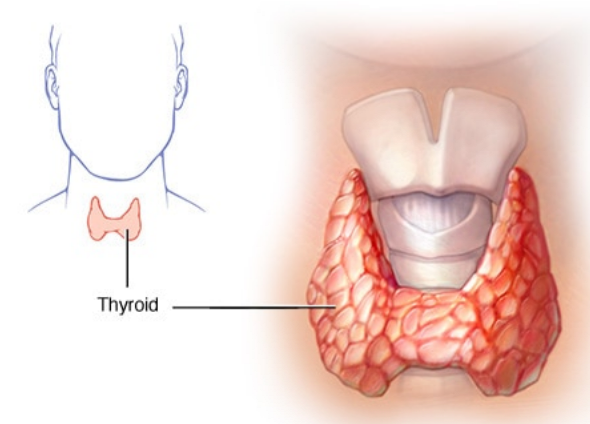
Hyperthyroidism (overactive thyroid) is a condition in which your thyroid gland produces too much of the hormone thyroxine. Hyperthyroidism can accelerate your body's metabolism significantly, causing sudden weight loss, a rapid or irregular heartbeat, sweating, and nervousness or irritability. Several treatment options are available if you have hyperthyroidism. Doctors use anti-thyroid medications and radioactive iodine to slow the production of thyroid hormones. Sometimes, treatment of hyperthyroidism involves surgery to remove all or part of your thyroid gland. Although hyperthyroidism can be serious if you ignore it, most people respond well once hyperthyroidism is diagnosed and treated. Symptoms Hyperthyroidism can mimic other health problems, which may make it difficult for your doctor to diagnose. It can also cause a wide variety of signs and symptoms, including: Sudden weight loss, even when your appetite and the amount and type of food you eat remain the sam...

Scrotal masses

Image
Scrotal masses are abnormalities in the bag of skin hanging behind the penis (scrotum). The scrotum contains the testicles and related structures that produce, store and transport sperm and male sex hormones. Scrotal masses might be an accumulation of fluids, the growth of abnormal tissue, or normal contents of the scrotum that have become swollen, inflamed or hardened. Scrotal masses need to be examined by a doctor, even if you're not in pain or having other symptoms. Scrotal masses could be cancerous or caused by another condition that affects testicular function and health. Self-examination and regular doctor exams of the scrotum are important for prompt recognition, diagnosis and treatment of scrotal masses. Symptoms Signs and symptoms of scrotal masses vary depending on the abnormality. Signs and symptoms might include: An unusual lump Sudden pain A dull aching pain or feeling of heaviness in the scrotum Pain that radiates throughout the groin, abdo...

Uterine prolapse

Image
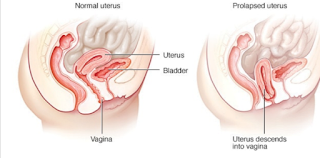
Uterine prolapse occurs when pelvic floor muscles and ligaments stretch and weaken and no longer provide enough support for the uterus. As a result, the uterus slips down into or protrudes out of the vagina. Uterine prolapse can occur in women of any age. But it often affects postmenopausal women who've had one or more vaginal deliveries. Mild uterine prolapse usually doesn't require treatment. But if uterine prolapse makes you uncomfortable or disrupts your normal life, you might benefit from treatment. Symptoms Mild uterine prolapse generally doesn't cause signs or symptoms. Signs and symptoms of moderate to severe uterine prolapse include: Sensation of heaviness or pulling in your pelvis Tissue protruding from your vagina Urinary problems, such as urine leakage (incontinence) or urine retention Trouble having a bowel movement Feeling as if you're sitting on a small ball or as if something is falling out of your vagina Sexual concerns, such as a...