Posts

Hemorrhoids

Image
Hemorrhoids (HEM-uh-roids), also called piles, are swollen veins in your anus and lower rectum, similar to varicose veins. Hemorrhoids have a number of causes, although often the cause is unknown. They may result from straining during bowel movements or from the increased pressure on these veins during pregnancy. Hemorrhoids may be located inside the rectum (internal hemorrhoids), or they may develop under the skin around the anus (external hemorrhoids). Hemorrhoids are very common. Nearly three out of four adults will have hemorrhoids from time to time. Sometimes they don't cause symptoms but at other times they cause itching, discomfort and bleeding. Occasionally, a clot may form in a hemorrhoid (thrombosed hemorrhoid). These are not dangerous but can be extremely painful and sometimes need to be lanced and drained. Fortunately, many effective options are available to treat hemorrhoids. Many people can get relief from symptoms with home treatments and lifestyle changes. ...

Incompetent cervix

Image
An incompetent cervix, also called a cervical insufficiency, occurs when weak cervical tissue causes or contributes to premature birth or the loss of an otherwise healthy pregnancy. Before pregnancy, your cervix — the lower part of the uterus that opens to the vagina — is normally closed and firm. As pregnancy progresses and you prepare to give birth, the cervix gradually softens, decreases in length (effaces) and opens (dilates). If you have an incompetent cervix, your cervix might begin to open too soon — causing you to give birth too early An incompetent cervix can be difficult to diagnose and treat. If your cervix begins to open early, or you have a history of cervical insufficiency, your doctor might recommend preventive medication during pregnancy, frequent ultrasounds or a procedure that closes the cervix with strong sutures (cervical cerclage). Symptoms If you have an incompetent cervix, you may not have any signs or symptoms during early pregnancy. Some women h...

Hypoglycemia

Image
Hypoglycemia is a condition caused by a very low level of blood sugar (glucose), your body's main energy source. Hypoglycemia is often related to the treatment of diabetes. However, a variety of conditions — many rare — can cause low blood sugar in people without diabetes. Like fever, hypoglycemia isn't a disease itself — it's an indicator of a health problem. Immediate treatment of hypoglycemia is necessary when blood sugar levels are at 70 milligrams per deciliter (mg/dL) or 3.9 millimoles per liter (mmol/L) or below. Treatment involves quick steps to get your blood sugar level back into a normal range either with high-sugar foods or drinks or with medications. Long-term treatment requires identifying and treating the underlying cause of hypoglycemia. Symptoms If blood sugar levels become too low, signs and symptoms may include: An irregular heart rhythm Fatigue Pale skin Shakiness Anxiety Sweating Hunger Irritability Tingling sensation around th...

Colon polyps

Image
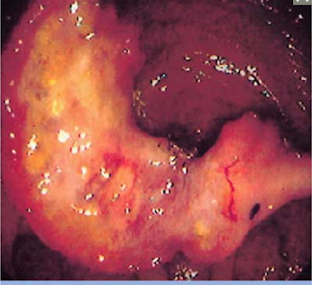
A colon polyp is a small clump of cells that forms on the lining of the colon. Most colon polyps are harmless. But over time, some colon polyps can develop into colon cancer, which is often fatal when found in its later stages. There are two main categories of polyps, non-neoplastic and neoplastic. Non-neoplastic polyps include hyperplastic polyps, inflammatory polyps and hamartomatous polyps. These types of polyps typically do not become cancerous. Neoplastic polyps include adenomas and serrated types. In general, the larger a polyp, the greater the risk of cancer, especially with neoplastic polyps. Anyone can develop colon polyps. You're at higher risk if you're 50 or older, are overweight or a smoker, or have a personal or family history of colon polyps or colon cancer. Colon polyps often don't cause symptoms. It's important to have regular screening tests, such as a colonoscopy, because colon polyps found in the early stages can usually be removed safely a...

Post-traumatic stress disorder (PTSD)

Image
Post-traumatic stress disorder (PTSD) is a mental health condition that's triggered by a terrifying event — either experiencing it or witnessing it. Symptoms may include flashbacks, nightmares and severe anxiety, as well as uncontrollable thoughts about the event. Most people who go through traumatic events may have temporary difficulty adjusting and coping, but with time and good self-care, they usually get better. If the symptoms get worse, last for months or even years, and interfere with your day-to-day functioning, you may have PTSD. Getting effective treatment after PTSD symptoms develop can be critical to reduce symptoms and improve function. Symptoms Post-traumatic stress disorder symptoms may start within one month of a traumatic event, but sometimes symptoms may not appear until years after the event. These symptoms cause significant problems in social or work situations and in relationships. They can also interfere with your ability to go about your norma...

Hirsutism

Image
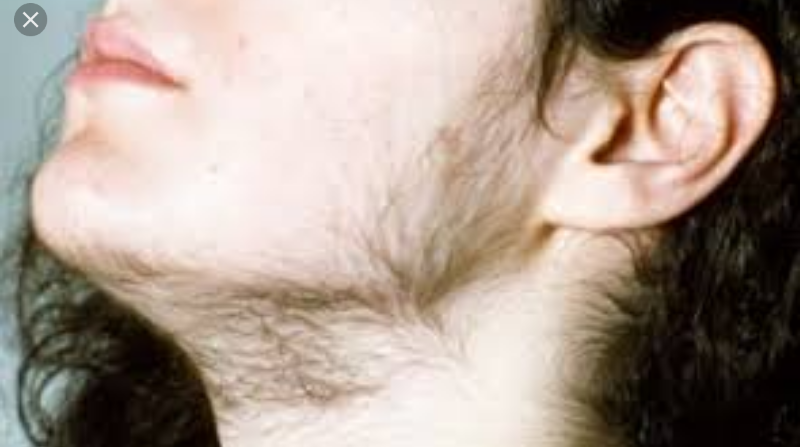
Hirsutism (HUR-soot-iz-um) is a condition of unwanted, male-pattern hair growth in women. Hirsutism results in excessive amounts of dark, course hair on body areas where men typically grow hair — face, chest and back. The amount of body hair you have is largely determined by your genetic makeup. There's a wide range of normal hair distribution, thickness and color due to differences in heredity. However, hirsutism is a medical condition that can arise from excess male hormones called androgens, primarily testosterone. It can also be due to a family trait. Symptoms Hirsutism is stiff and dark body hair, appearing on the body where women don't commonly have hair — primarily the face, chest and back. What's considered excessive can vary depending on ethnicity and culture. When excessively high androgen levels cause hirsutism, other signs might develop over time, a process called virilization. Signs of virilization might include: Deepening voice Balding Acne De...